
Lead Follow-Up Automation: How the Full System Fits Together

Lead follow-up automation isn't one tool or one email. It's three connected phases: an immediate first response, qualifying and routing the lead, and staying in touch over time if they're not ready yet. Most businesses build one of these and assume they're done, which is usually why leads still slip through.
This page covers how the three phases fit together and what the research actually shows about persistence. Each phase has its own full guide linked below.
Follow-up is usually the bottleneck, not lead generation
Many small businesses spend money getting leads to show up, then lose them in exactly the same way: a slow first reply, no second attempt, or a single follow-up email that goes nowhere. The leads were never the problem. What happened after they arrived was.
Research backs up the persistence part specifically. RAIN Group surveyed 489 sellers doing outbound prospecting and found it takes an average of 8 touchpoints to secure an initial meeting with a new prospect — top performers average 5 (RAIN Group). Worth being precise about what that measures: it's outbound prospecting research, reaching out to someone who hasn't engaged yet, not inbound follow-up with someone who already contacted you. The two aren't identical, but the broader point holds either way — most people giving up after one or two attempts are giving up early.
One number to leave out: you'll often see "80% of sales require five follow-ups, but 44% of reps give up after one." A fact-check we could verify traced that figure to an unverifiable, decades-old survey of fewer than 40 people, far too small to support a claim that widely repeated (usecarly.com). We're not using it here.
The three phases
1. Immediate response
The first reply, ideally within minutes, acknowledging the enquiry and setting expectations for what happens next. This is the phase that determines whether a lead stays warm or goes looking elsewhere. Full guide: speed to lead.
2. Qualification and routing
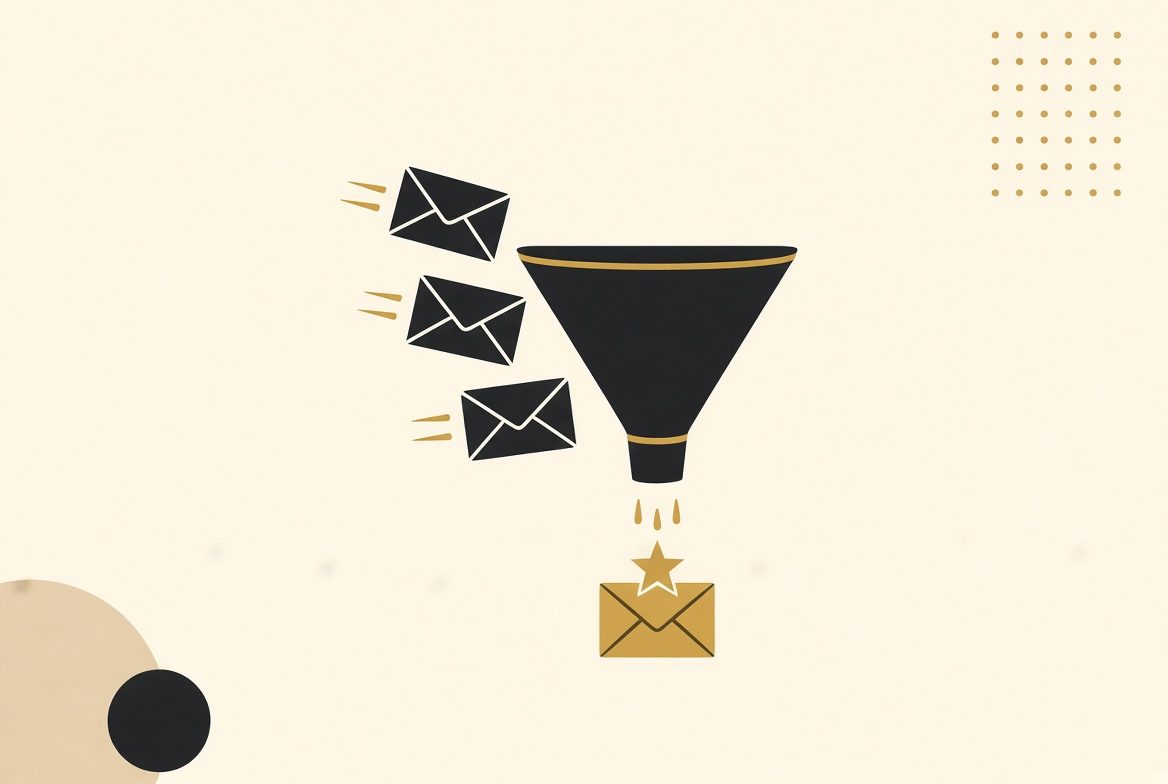
Not every lead deserves the same response. This phase scores and sorts enquiries — fit, urgency, what they're asking for — so a ready-to-buy lead reaches a person fast, and a low-priority one doesn't eat the same attention. Full guide: AI lead qualification.
3. Ongoing follow-up
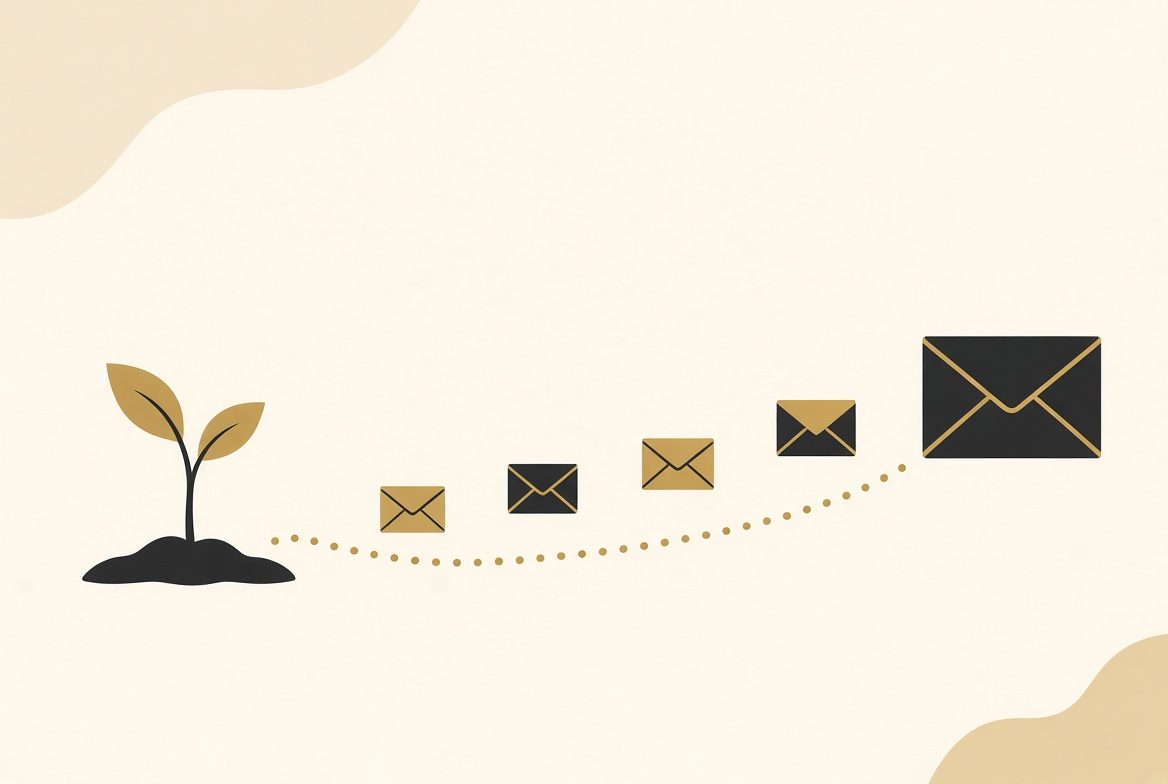
For leads who aren't ready immediately, a sequence of scheduled, relevant touches over days or weeks keeps them from being quietly forgotten — without turning into spam. Full guide: lead nurturing automation.
How one lead moves through all three
| When | What happens | Phase |
|---|---|---|
| Minute 1 | Automatic acknowledgment; owner alerted | Immediate response |
| Same day | Enquiry scored and routed; a person replies if it's a fit | Qualification and routing |
| Days 2–14 | If no reply yet, a short sequence of useful touches continues | Ongoing follow-up |
| Any point | A real reply ends the automated sequence | — |
The handoffs matter more than any single phase. A fast reply that never gets qualified wastes the speed. A good nurture sequence following a slow first reply is fixing a problem that should never have happened.
The common failure pattern
Most businesses that "have automation" actually have one phase, not three. A fast auto-reply with nothing after it. A nurture sequence with no scoring, so a hot lead and a cold one get the same treatment. Qualification with no follow-through, so a well-scored lead still waits two days for a reply. Each phase fixes a different leak — building one doesn't cover for the other two.
Where to start if you have none of this yet
Build it in the order above, not all at once. A fast, honest acknowledgment is the cheapest fix and the one with the clearest payoff. Qualification and routing come next, once replies are happening quickly and consistently. Nurturing is the last piece — it only matters once the first two are solid, since nurturing a lead who's still waiting on a basic reply doesn't fix the actual problem.
How Corevalo approaches this
The Business Automation service connects the tools you already use so that leads, follow-ups, and reporting happen automatically, built as one connected system rather than three separate tools. You can see one version of that on the Work page.
Want help building this?
Book a call and we'll map out where your current follow-up process is leaking leads.
Sources: RAIN Group, How Many Touchpoints Does It Take to Make a Sale? · usecarly.com, Sales Follow-Up Statistics 2026